
Most DSA-Dance schools ask for a 2-3 minute audition video as part of the application. We watch a lot of these videos, and we see the same handful of mistakes repeated every cycle.
This guide covers what schools are actually looking at when they watch the video, and how to film one that doesn’t sabotage your daughter’s chances before the panel has even seen her dance live.
The five mistakes we see most often
1. Portrait orientation, not landscape. School panels watch on desktop monitors. A portrait-orientation phone video shows the body cropped on each side and looks amateurish. Always film landscape.
2. The body not fully in frame the whole time. Schools want to see leg lines, foot articulation, full-body coordination. If the head leaves the top of the frame or the feet leave the bottom, that section is wasted.
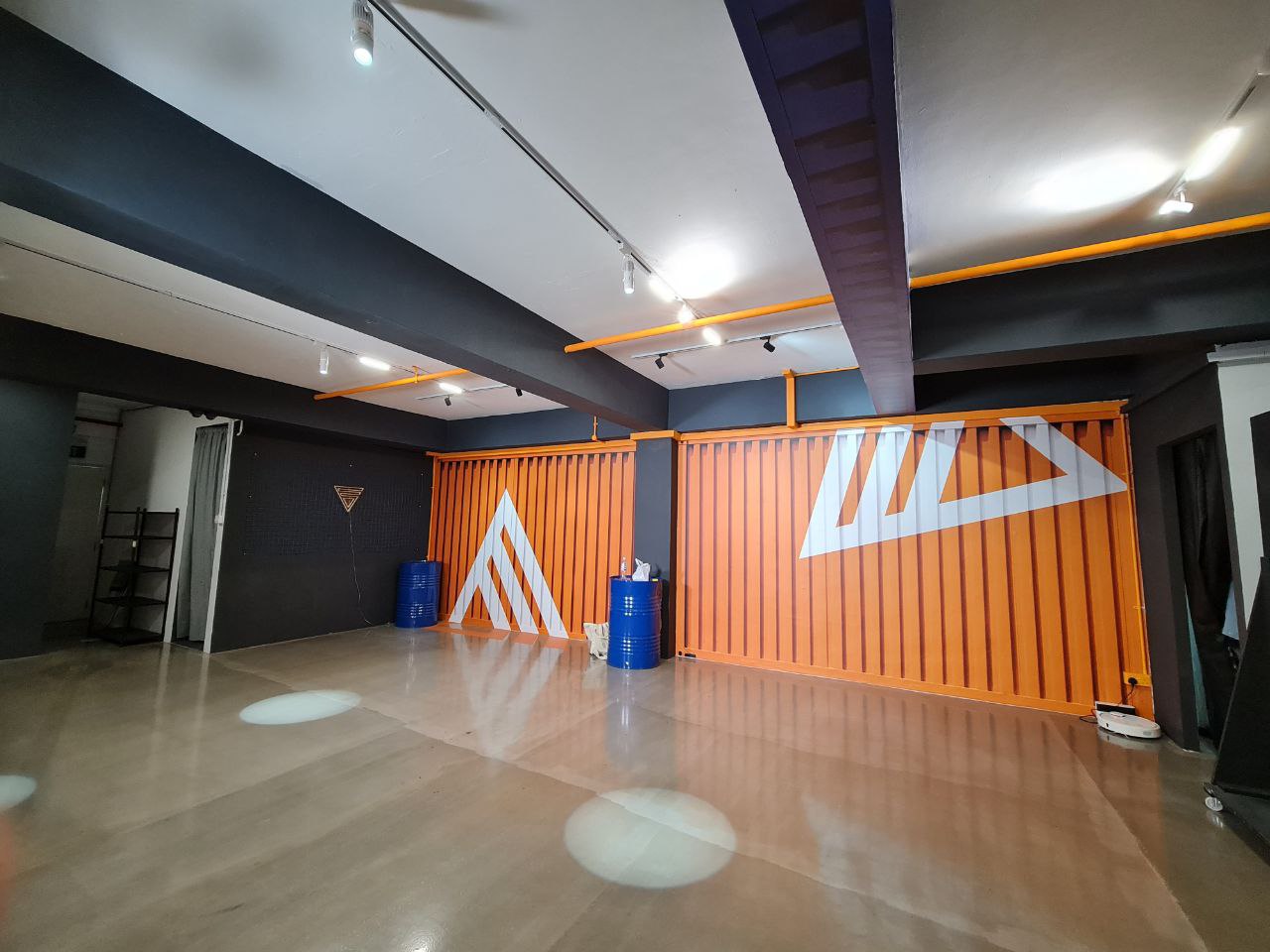
3. Wrong background. A messy living room, a kitchen behind the dancer, a bed in the corner — these distract the panel. Plain background (studio mirror room, white wall, blank space).
4. Poor lighting. Filming at home in afternoon light leaves shadows across the face. Schools want to see the dancer’s expression. Soft frontal light or studio-style lighting.
5. Background music distorted or too loud. Phone microphones over-process music. Better: play music from a quality speaker placed away from the camera.
Step-by-step format
Length: 2-3 minutes total. Don’t pad. If your daughter doesn’t have 3 minutes of material at audition-grade, submit 2 minutes of her best work rather than 3 minutes that includes weaker sections.
Opening: 10-15 seconds of brief introduction. Spoken directly to camera or as on-screen text: – Name – Age and year – Current dance school (if applicable) – Years of training
Main piece: A choreographed solo that shows range — strong technique sections AND expressive sections. If your daughter has only technique without expression (or vice versa), prioritise getting the expression — schools watch dancers all day and “clean but mechanical” doesn’t beat “slightly less clean but musical.”
Closing: End in stillness. Don’t shuffle off camera. Hold the final position for 2-3 seconds and let the camera stop on a clean ending.
Filming logistics
Camera: Modern phones (iPhone 11+ or equivalent Android) shoot 4K landscape video that’s perfectly adequate. You don’t need a DSLR. You do need a tripod (~S$30 on Carousell).
Angle: Camera at chest height of the dancer. Wide enough to capture the full body in motion across the floor.
Single take. No cuts. Panels can tell when a video is stitched together, and it reads as hiding weaknesses.
Music: If the school’s audition uses a specific piece, use that. Otherwise, pick music that: – Fits the dance style (don’t use top-40 pop for ballet) – Is well-known enough that the panel recognises it (but not so overused that it feels lazy — e.g., “Time” from Inception in 2026 = lazy) – Has clear rhythm and dynamics for the dancer to interpret
What schools are really watching for
When we sit on mock panels at EV Dance and watch our students’ videos, here’s what we’re reading:
- First 10 seconds: does this dancer have presence? Are her shoulders set? Does she look at the lens or past it?
- Technique: are the lines clean? Is the foot articulated? Is the pirouette controlled?
- Musicality: is she dancing the music, or dancing on the music? There’s a difference.
- Recovery: when something doesn’t go perfectly, does she keep dancing or visibly flinch?
- Ending: does she finish with confidence?
Schools watch the same things. The polish matters less than parents think; the dancer’s relationship to the music and her body matters more.
How we help
At EV Dance, we film DSA-Dance audition videos for students in our EV Elites DSA Prep programme. Studio space, proper lighting, single-take filming, plus a coach giving in-the-moment direction. Saves a weekend of frustrated home filming and the result tends to score better.
If you’d like to film with us, WhatsApp us for current scheduling.


