
When parents enrol their teenage daughter in dance class, the conversation is usually about exercise, hobby, or social life. The mental health side — what dance does for emotional regulation, body image, confidence, stress — comes up less often than it should.
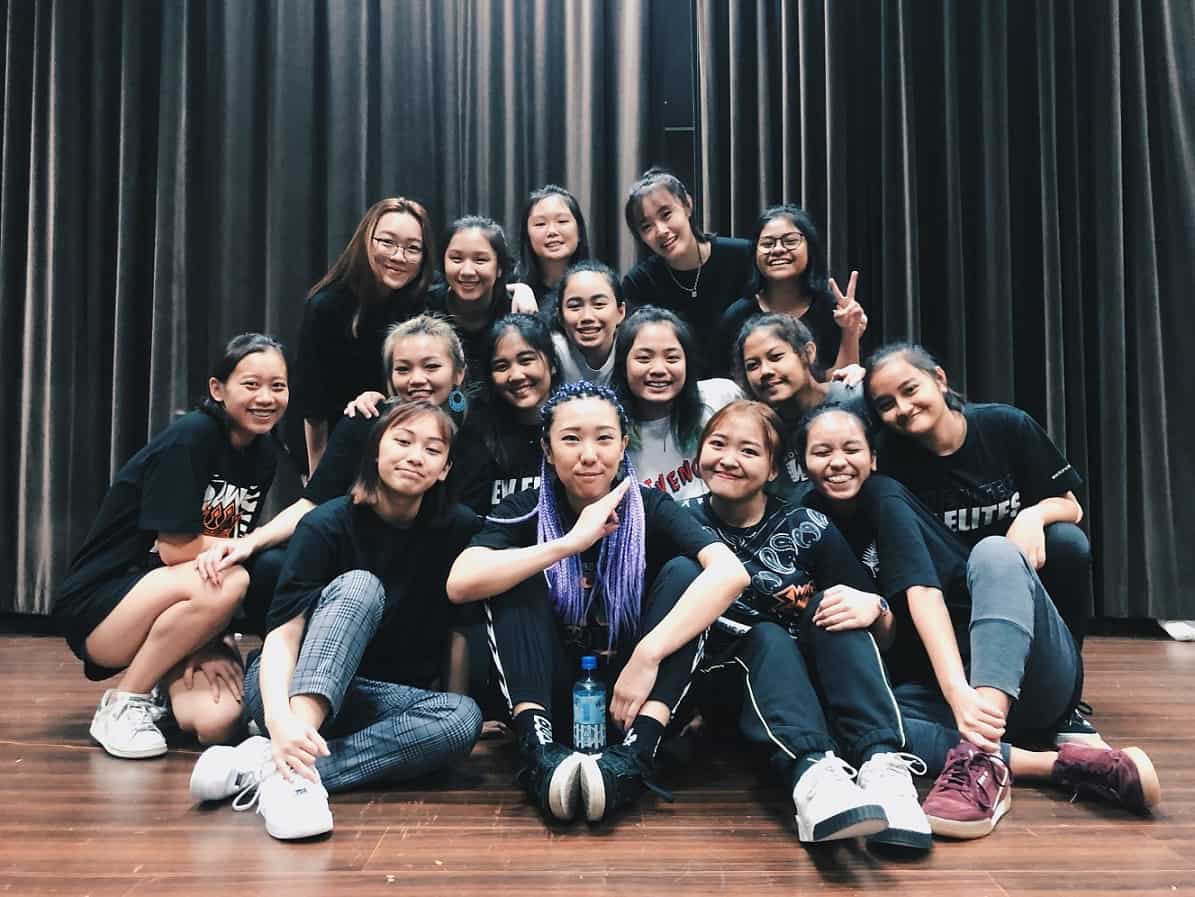
Here’s the honest read from coaching teen dancers in Singapore for 17 years.
What dance does well for teen mental health
1. Physical movement releases the chemicals that matter. Endorphins, BDNF (brain-derived neurotrophic factor), dopamine — all up-regulated by sustained physical activity. A 75-minute dance class produces more measurable mood improvement than 75 minutes of stationary cardio, because the cognitive engagement (choreography, music response) compounds the benefit.
2. Belonging in a group. Teen years are when belonging matters most and is most fragile. A dance class is one of the rare environments where a teen shows up regularly with the same peers, builds shared memory through repetition (recitals, competitions, learning the same pieces), and finds a stable “tribe” outside school. We’ve seen this stabilise kids who were genuinely struggling.
3. Body confidence through capability. Most teens’ body anxiety is connected to appearance. Dance shifts the locus toward capability. A 14-year-old who can hold a turn or land a leap she couldn’t do six months ago has new evidence about what her body can DO, not just what it looks like.
4. Discipline that transfers. The repetitive practice required to learn choreography builds the same neural pathways as study habits. We’ve watched students who couldn’t focus in school find their concentration through dance training.
5. A non-academic identity. For high-achieving Singapore students, academic identity dominates. Having something else — “I am a dancer” — provides identity stability when academic stress peaks (PSLE, O-Levels, A-Levels).
What dance can’t fix on its own
We need to be honest:
- Dance doesn’t cure depression or anxiety disorders. It can be supportive, but it’s not therapy.
- Dance culture has its own body-image issues. Especially in ballet, where the historical aesthetic standards can hurt vulnerable teens. (We work actively against this — see below.)
- Performance pressure can become its own anxiety source. Competitive dance + perfectionist personality + busy academic year = real risk.
- A bad coach can do real harm. Coaches who shame, body-comment, or favouritise can damage a teen’s self-image faster than a year of good coaching can rebuild.
Warning signs parents should watch
If your daughter is dancing seriously, watch for:
- Sudden weight obsession. Dancers in restrictive technique styles can develop disordered eating patterns. Comments like “I need to lose weight to look good in this piece” should be taken seriously.
- Loss of joy. If she stops talking enthusiastically about class and dance becomes “have to” rather than “want to,” check in.
- Coach over-attachment or coach fear. Either extreme is a red flag.
- Performance day anxiety that spreads to non-performance days. Healthy: nerves before a recital. Unhealthy: nerves on a regular Tuesday class day.
- Comparison spiraling. Dancers compare. It’s part of the form. But when comparison becomes the only mental story, intervention is needed.
What we do at EV Dance to support teen mental health
- No body-shaping comments from coaches. Ever. We train all our coaches on this; it’s part of their induction.
- Pre-recital check-ins. Coaches ask each teen one-on-one how she’s feeling in the week before performances. Not just “are you ready” — actually “how are you?”
- Optional opt-outs. A teen who’s having a rough week can sit out class without explaining or being asked to justify. Many studios penalise absences; we don’t.
- Cross-style flexibility. A teen burning out on her primary style can switch into a different style class without re-committing to a new track.
- Real talk in coach training. Our coaches know that 1 in 5 teens has elevated anxiety or depression markers in any given year. They’re trained to notice and refer, not diagnose.
We’re not therapists. If a teen needs professional support, we say so clearly to parents.
When to back off
If your daughter has been dancing and is now hitting senior-school exam years (Sec 3, Sec 4, JC1, JC2), it’s reasonable to scale back temporarily. Some families pause classes for the months before O-Levels or A-Levels. We support this entirely. The studio will still be here when exams are done.
Read also
Talk to us if you have questions about your teen’s specific situation.


