
Parents ask us this almost weekly: “At what age should I start my daughter in ballet?” There’s no single right answer — but there are honest patterns we’ve seen across hundreds of students at EV Dance over the years.
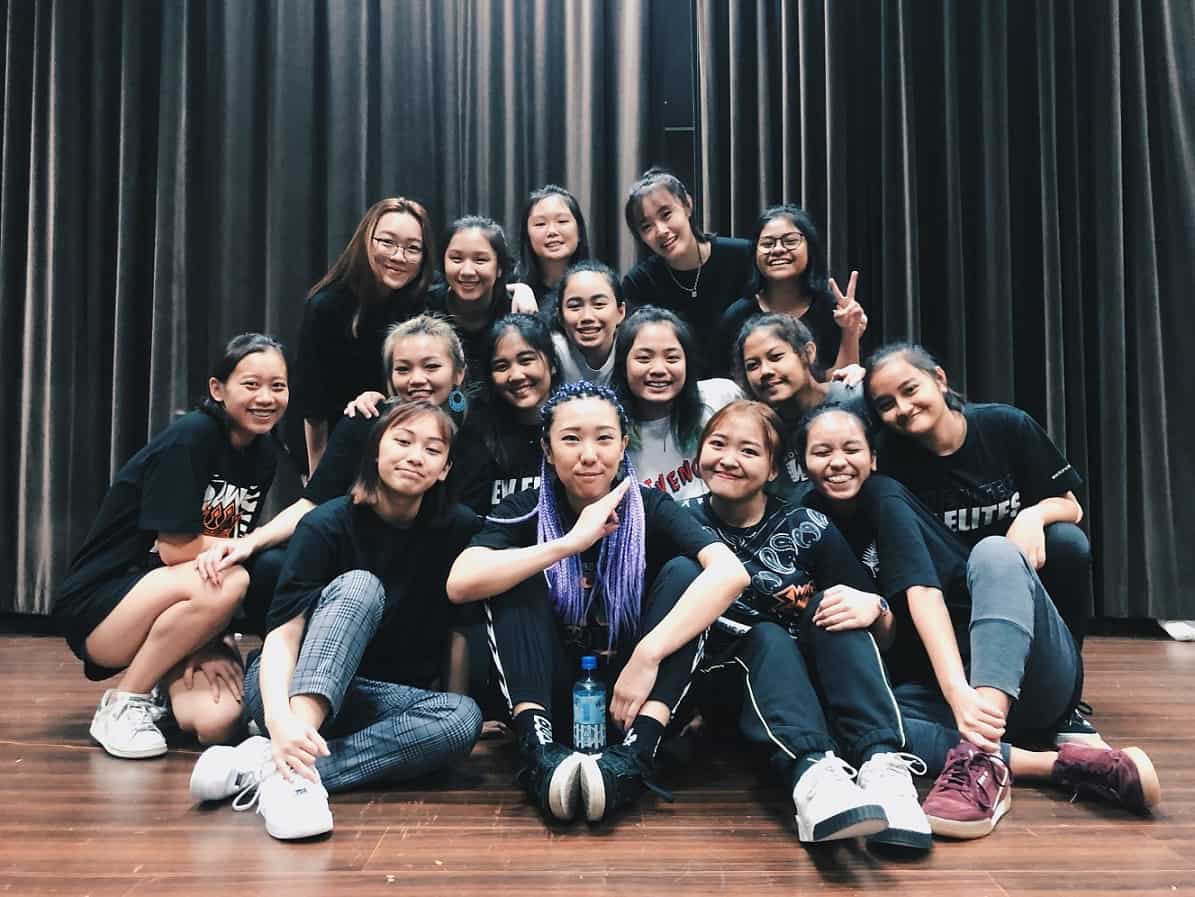
This is what we’d tell you if you sat down for a coffee with us.
The short version
- Ages 3-4: Pre-ballet or creative movement — yes, with caveats
- Ages 5-6: A real ballet foundation begins
- Ages 7-8: The classic “good start” age — most ballet schools structure around this
- Ages 9-12: Still possible to start, with realistic expectations
- Ages 13+: Possible but harder if a competitive or DSA pathway is the goal
Why age matters in ballet specifically
Ballet builds on muscle memory and joint flexibility in ways that benefit from early start. The body adapts more readily in childhood. But “earlier is better” isn’t quite the whole story.
What actually matters in the early years is whether your child:
- Can focus for 30-45 minutes at a time
- Can follow group instruction without constant 1-to-1 support
- Is genuinely interested (not just compliant)
Most 3-year-olds don’t meet the first two. Most 6-year-olds do. So while pre-ballet classes for the very young exist and are fun, they’re more about play and gross motor development than ballet technique.
Pre-ballet (ages 3-4) — what’s it really teaching?
If you enrol your 3-year-old in “pre-ballet,” she’s learning: – Following instructions from a non-parent – Spatial awareness (where her body is in a room) – Basic rhythm and music response – Confidence in a group setting
She’s NOT learning: – Real ballet technique (her body isn’t ready) – Audition-quality vocabulary – The discipline of a graded syllabus
Verdict: Pre-ballet is fine if your child likes it. Don’t expect it to “give her a head start” for serious training later. Most strong dancers we see at 14 didn’t start at 3.
Ages 5-6 — when real ballet starts
By 5-6, children can hold simple positions, follow a barre routine for 5-10 minutes, and start learning the language of ballet. This is the typical start age for serious ballet schools in Singapore.
What to look for in a 5-6 class: – Small group size (8-12 kids) – A real ballet barre, not just a corner of an aerobics studio – A coach with RAD or CSTD certification (not just “danced a lot in school”) – A graded syllabus or a clear progression plan
Ages 7-8 — the sweet spot
If you’re starting your daughter in ballet at 7-8, you’re on a standard track. Most ballet schools structure their lower grades (RAD Primary, Grade 1) around this age. By the end of primary school, a student who started at 7 and trained 2-3 times a week typically reaches RAD Grade 4-5 — which opens DSA-Dance options at top secondary schools.
Starting in P3-P5 (ages 9-11) — still possible
We get a lot of parents in this window. The honest read: still doable, but you need to be realistic.
- Catching up to peers who started at 5-6 takes commitment — 2-3 classes per week, not just one
- Grade exams are still accessible but you’ll move faster (which can mean less depth in each grade)
- DSA-Dance via ballet is still possible if you target P5 start, but you’re racing the clock
What works at this age: a dedicated coach who can accelerate the foundational work, a child who genuinely wants to be there (not “mum signed me up”), and a realistic conversation about what’s achievable.
Starting at age 13+ — recreational yes, competitive harder
If your teen wants to start ballet, she absolutely can — and she’ll likely enjoy it. What changes: – The competitive ballet pipeline (DSA-Dance via ballet, vocational ballet schools) becomes hard to enter – Open-class ballet, beginner adult ballet, and recreational tracks are wide open – Cross-training value remains — many K-pop and contemporary dancers do beginner ballet for the technique transfer
Mistakes parents make
1. Pushing too early. A 3-year-old who hates ballet may decide she hates dance for life. Wait until she’s ready.
2. Overinvesting too early. Don’t sign a 4-year-old up for 3-times-a-week pre-ballet. Burnout is real.
3. Underinvesting at the right moment. Once a 7-year-old is enjoying ballet and showing aptitude, drop-in classes once a week aren’t enough. Twice a week, properly structured, is the threshold for real progress.
4. Picking based on “famous” reputation. Big-name ballet schools in Singapore can be brilliant or factory-like, depending on the teacher your child is assigned to. Always trial-class with the actual teacher.
What we offer at EV Dance
We’re honest: we’re not a ballet specialist studio. EV Dance teaches ballet as a foundation for our modern/contemporary/jazz curriculum — which is great for kids who want a versatile dance education rather than a pure classical ballet track.
If your child’s goal is the Royal Academy of Dance grading pathway specifically, talk to us about whether we’re the right fit. We’ll point you to studios that specialise in that track if it’s a better match.
For kids who want a balanced dance education with ballet foundation plus exposure to other styles, our Kids Dance Programme is designed exactly for that.
Read the full Kids Dance Programme · WhatsApp us with questions


